

Two Box Types, Two Different Jobs
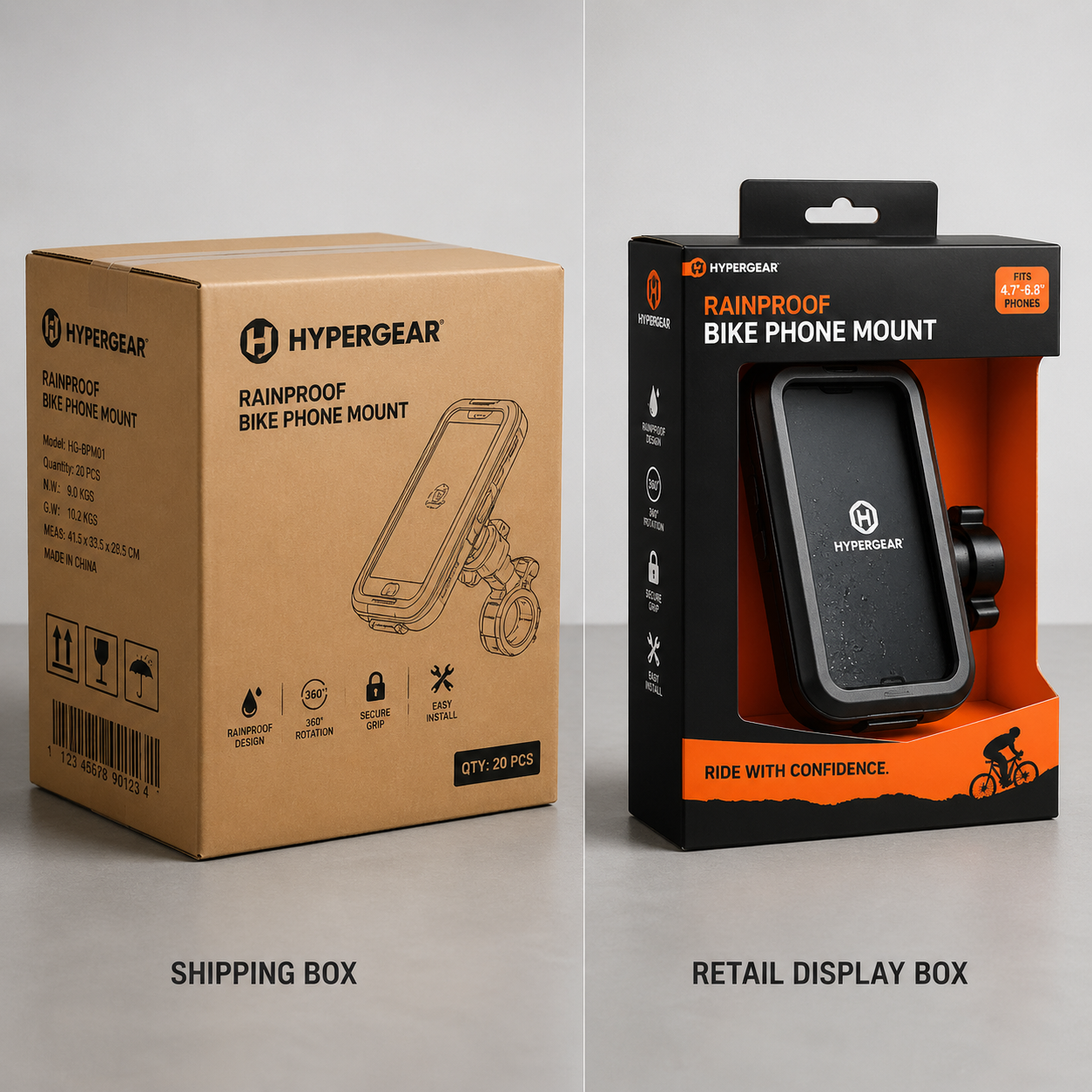
Brands often treat cardboard boxes and display boxes as interchangeable. In practice, they solve different problems. Cardboard boxes prioritize transport protection and handling efficiency, while display boxes are engineered for shelf visibility and impulse sales. Choosing the wrong format can increase damage cost or reduce in-store conversion.
Competitor content trends show growing interest in structure-specific guides because buyers now compare packaging by function, not just style.
When Cardboard Boxes Are the Better Choice
Cardboard boxes are typically the backbone of ecommerce and wholesale logistics. They offer:
- High compressive strength for transit.
- Flexible sizing for multi-SKU fulfillment.
- Cost-efficient materials for higher volumes.
If your priority is reducing shipping incidents and maintaining margin at scale, cardboard-first systems are usually the right base architecture.
When Display Boxes Drive Better Retail Results
Display boxes are optimized for point-of-sale performance. They can improve product discovery, hold multiple units neatly, and increase perceived organization in retail environments.
- Front-facing presentation supports quick product selection.
- Larger visible print area improves campaign storytelling.
- Easy replenishment helps store staff maintain neat shelves.
For new product launches, display structures often produce stronger trial rates than shipping-style cartons.
Decision Matrix: Protection, Visibility, and Cost
| Criteria | Cardboard Box | Display Box |
|---|---|---|
| Transit Protection | High | Medium |
| Shelf Visibility | Low-Medium | High |
| Print Storytelling Area | Medium | High |
| Pack-Out Speed | High | Medium |
| Retail Merchandising | Low | High |
Many high-growth brands use both: cardboard for transport and display boxes for final retail presentation.
Hybrid Strategy for Omnichannel Brands
If you sell through both ecommerce and physical retail, design a hybrid flow:
- Use standardized cardboard master cartons for warehouse movement.
- Pack pre-counted display units inside the master carton.
- Let retail staff open and place display-ready units directly on shelf.
This model reduces handling time and preserves product presentation quality.
Pre-Production Questions to Finalize Structure
- Will the box face rough courier handling or controlled retail restocking?
- Is the key KPI damage reduction or shelf conversion?
- Do you need a tear-away feature for fast shelf deployment?
- Can one print system support both transit and display variants?
Review our Cardboard Box and Display Box categories to select the best structure for your channel mix.
FAQ
Can a display box be used for shipping?
It can for short, controlled routes, but dedicated shipping boxes usually provide better protection.
Is cardboard always cheaper?
Per unit, often yes. But total cost should include damages, labor, and merchandising outcomes.
What is the best approach for new brands?
Start with cardboard for logistics reliability, then add display formats for high-traffic retail SKUs.
